Conditions
Muscle Splinting & Guarding in Dogs
Dogs living with arthritis, hip dysplasia, IVDD or soft‑tissue injuries often develop muscle splinting when surrounding muscles tighten to protect a painful joint.
Over time, these overworked muscles become stiff, shortened and sore, increasing discomfort and reducing mobility.
As the muscles work harder, the fascia around them also tightens, limiting movement and creating trigger points.
Clinical Canine Massage Therapy gently releases these tight, compensatory areas, helping restore comfort and support freer, healthier movement.
Osteoarthritis
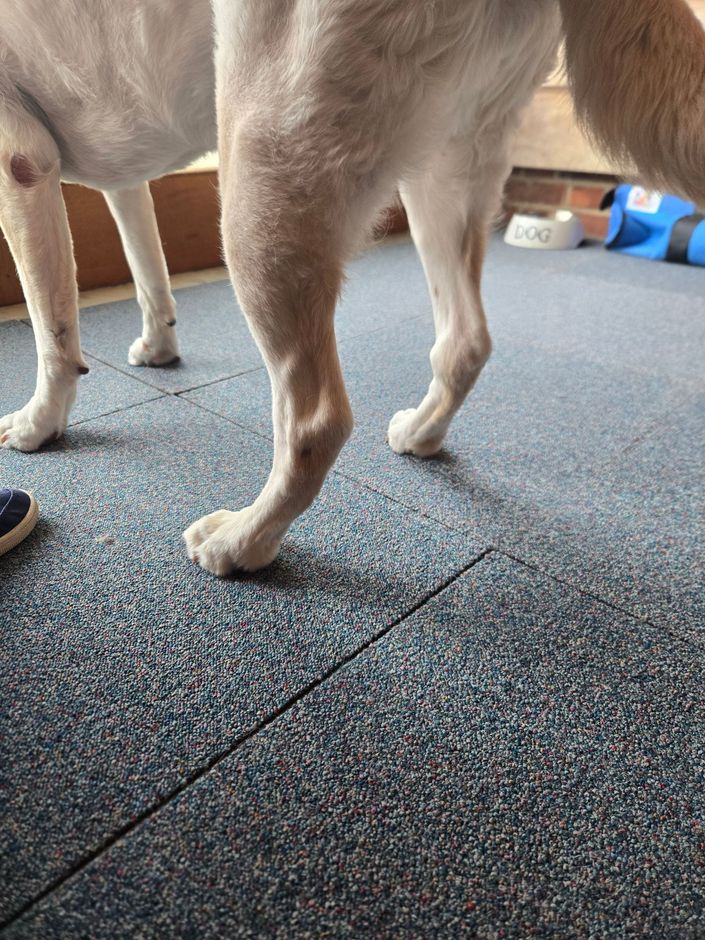
Osteoarthritis is a degenerative joint condition often affecting the hips and knees, the body’s main shock‑absorbing joints. As cartilage wears down, bones rub together, causing inflammation, pain and stiffness. Over time, bone spurs can form, making movement even less comfortable.
Dogs often tighten nearby muscles to protect the painful area — a response called muscle splinting — which leads to stiffness, trigger points and extra strain on the body.
〇 Common Signs:
- Slower or stiff movement
- Difficulty getting up
- Lameness or reduced mobility
- Swollen or painful joints
- Changes in gait or posture
- Less interest in play
- Licking the sore area
〇 How Massage Helps:
- Clinical Canine Massage Therapy eases tight, overworked muscles, improves circulation and reduces myofascial pain. This helps restore flexibility, support smoother movement and relieve secondary discomfort linked to arthritis.
Spondylosis
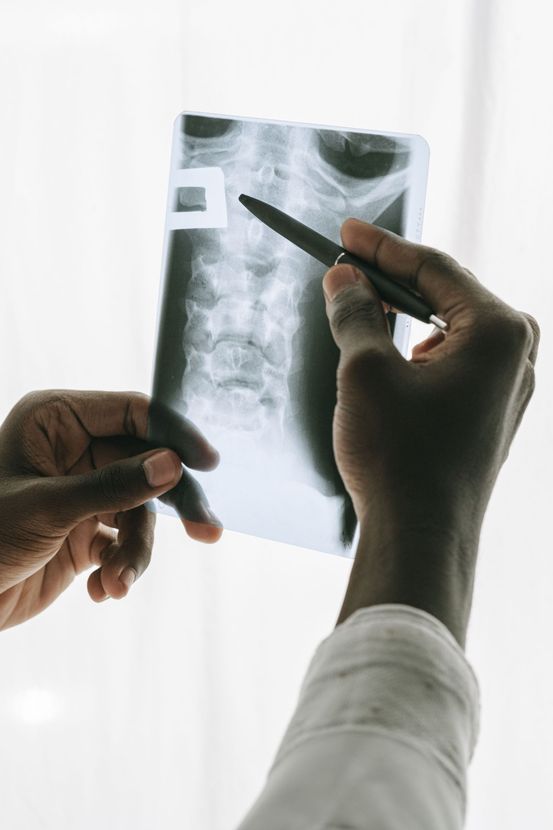
Spondylosis is a degenerative spinal condition where bony growths (bone spurs or osteophytes) form along the vertebrae. These can develop as the body’s natural way of stabilising weakened areas of the spine. In some dogs, the spurs may grow large enough to bridge or fuse vertebrae, reducing flexibility and causing discomfort.
〇 Who It Affects:
- Spondylosis is most common in senior dogs, those with IVDD, or dogs that have had spinal or abdominal surgery.
- Breeds with long backs (like Dachshunds) and Boxers are particularly prone.
〇 Common Signs:
- Sensitivity or twitching when touched
- Arching of the spine
- Stiffness or reluctance to walk
- Lameness or reduced hindlimb movement
- Changes in posture or coordination
- Tiredness or reduced interest in normal activities
〇 How Massage Helps:
Clinical Canine Massage Therapy offers gentle, non‑invasive support by:
- Easing tight, protective muscles around the spine
- Reducing muscle splinting and myofascial pain
- Improving circulation and flexibility
- Helping dogs move, stand and rest more comfortably
Massage also identifies and treats areas of overcompensation, supporting the whole body rather than just the painful region.
Luxating Patella (Slipping Kneecap)
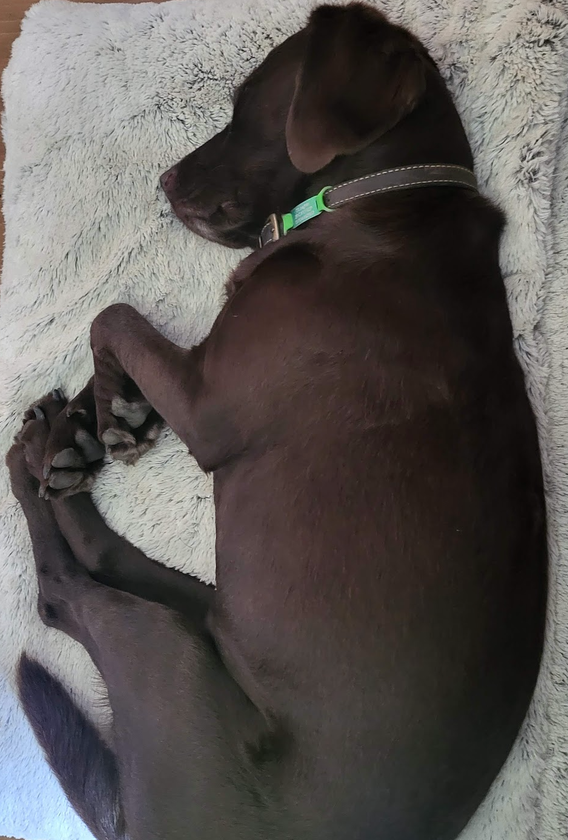
A luxating patella occurs when the kneecap slips out of its normal groove, affecting one or both hind legs. It ranges from mild, occasional slipping to permanent displacement.
〇 Grades of Luxation:
- Grade 1: Kneecap slips but pops back into place; usually minimal impact.
- Grade 2: Occasional slipping that self‑corrects; comfort depends on frequency.
- Grade 3: Kneecap sits out of place most of the time and re‑luxates quickly.
- Grade 4: Permanently displaced and cannot be corrected manually.
Breeds commonly affected include Poodles, Yorkies, Pomeranians, Chihuahuas, Boston Terriers, Jack Russells and Staffies.
〇 Causes:
- Luxation may develop due to breed predisposition, slippery flooring, frequent hind‑leg standing, or injury.
〇 Common Signs:
- Skipping or “hopping” gait
- Reduced knee movement or clicking sounds
- Pain when touched
- Lameness
- Changes in normal walking pattern
〇 How Massage Helps:
- Massage can support dogs with Grade 1 luxation by easing tight muscles around the knee and improving comfort and mobility — always in consultation with your vet.
〇 Benefits include:
- Reduced pain and muscle splinting
- Improved range of movement
- More comfortable walking and daily activity
〇 Contraindications
- Massage is not suitable if there is recent trauma, swelling, heat, open wounds, or suspected fractures.
Hip Dysplasia
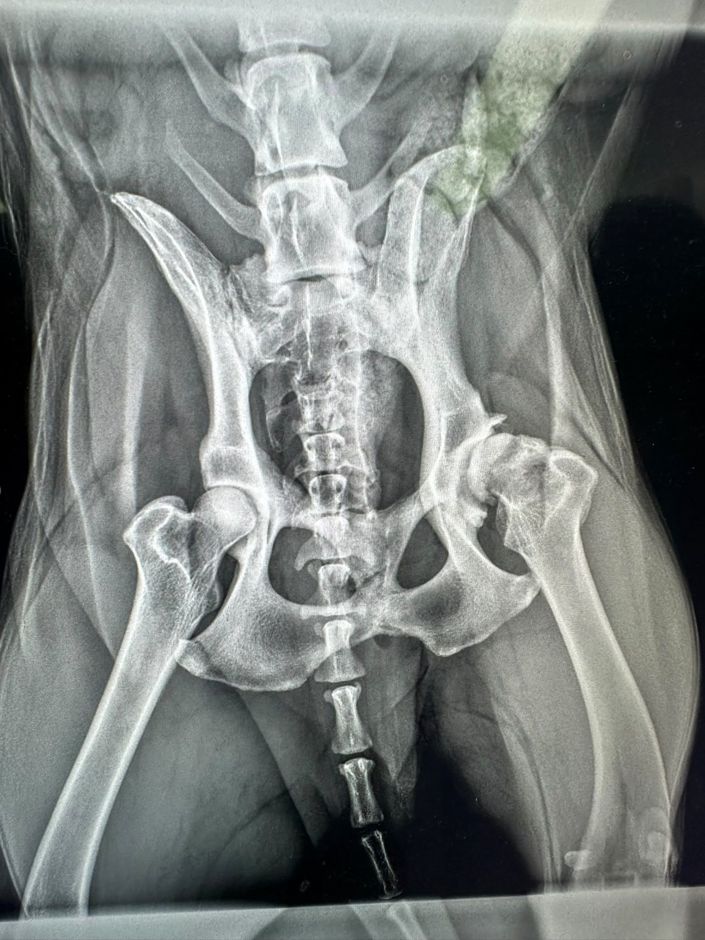
Hip dysplasia occurs when the ball‑and‑socket joint of the hip doesn’t fit together properly. Instead of moving smoothly, the joint becomes uneven or shallow, causing friction, pain and reduced mobility. One or both hips may be affected.
〇 Causes:
- Hip dysplasia is often hereditary, but it can also develop in young dogs if their joints are stressed during growth — for example through excessive jumping, stairs, slippery floors, or inappropriate exercise.
- It may also appear later in life due to arthritis or injury.
- Breeds commonly affected include Great Danes, Saint Bernards, Labradors, Rottweilers and German Shepherds.
〇 Common Signs:
- Slow or stiff when rising
- “Frog‑leg” lying position
- Reluctance with stairs or jumping
- Clicking or warmth around the hip
- Hind‑leg lameness or narrow stance
- Reduced muscle tone in hind limbs
- Overdeveloped shoulder muscles from weight‑shifting
- Changes in behaviour due to pain
〇 How Massage Helps:
Clinical canine massage supports dogs with hip dysplasia by:
- Reducing pain, stiffness and muscle splinting
- Improving circulation and lymph flow
- Supporting flexibility and range of motion
- Easing secondary discomfort in surrounding muscles
- Helping prevent overcompensation elsewhere in the body
- Promoting relaxation through myofascial release
〇 Contraindications:
- Massage is not suitable if there is swelling, heat, recent injury, fractures, open wounds or acute sprains.
Elbow Dysplasia
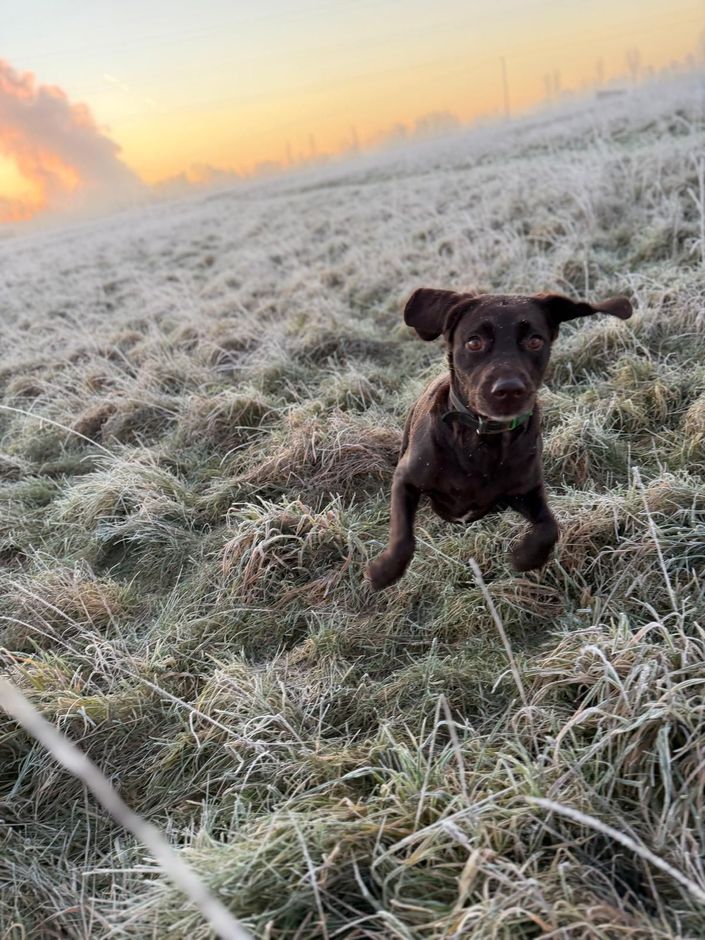
Elbow dysplasia occurs when the three bones of the elbow joint don’t fit together properly, leading to abnormal development, pain and reduced mobility. One or both elbows may be affected, and the condition often progresses to arthritis.
〇 Types of Elbow Dysplasia
- Fragmented Coronoid Process (FCP): A small bone fragment breaks loose, irritating the joint like “grit,” and speeding up cartilage wear.
- Ununited Anconeal Process (UAP): A piece of bone fails to fuse with the ulna during growth.
- Osteochondritis Dissecans (OCD): Faulty cartilage on the humerus becomes inflamed and may detach.
- Medial Compartment Disease (Elbow Incongruity): The joint surfaces don’t align, causing rapid cartilage erosion and painful bone‑on‑bone contact.
〇 Causes:
- Elbow dysplasia can develop due to genetics, over‑exercise in puppyhood, slippery floors, excessive stair use, obesity, high jumps, or injury.
- Breeds commonly affected include Rottweilers, Labradors, German Shepherds, Golden Retrievers, Chow Chows, and sometimes Pugs.
〇 Common Signs:
- Front‑leg lameness
- Bowed front legs
- Difficulty sitting smoothly
- Reduced willingness to exercise
- Swollen elbows
- Struggling with stairs or jumping
- Inward‑turning paws or head bobbing
Symptoms often appear between 4–12 months, but mild cases may not be diagnosed until later life when arthritis develops.
〇 How Massage Helps:
Clinical canine massage supports dogs with elbow dysplasia by:
- Reducing pain, stiffness and muscle splinting
- Improving circulation and reducing inflammation
- Easing tension in overworked forelimb muscles
- Supporting better range of movement
- Helping reduce compensatory pain in other areas of the body
〇 Contraindications
- Massage is not suitable if there is swelling, heat, recent injury, fractures or cancerous growths.
Cruciate Ligament Injury
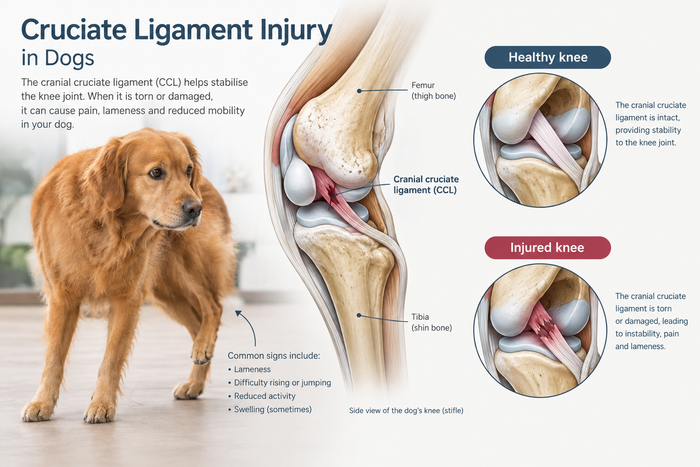
The cruciate ligaments support the knee by preventing the tibia from sliding or twisting against the femur. Over time these ligaments can weaken, and sudden strain or injury may cause them to tear. Tears are graded from mild sprains to complete ruptures, affecting stability and causing pain.
〇 Causes:
Cruciate damage can occur due to:
- Sudden twisting or pivoting while running
- Awkward landings
- Slippery floors
- Excessive exercise in puppyhood
- Injury or falls
- Being overweight
- Breed predisposition (Boxers, giant breeds, Collies, Rottweilers, Westies)
〇 Common Signs:
- Lameness or difficulty weight‑bearing
- Pain or vocalisation
- Swollen, warm knee joint
- Difficulty standing
- Toes barely touching the floor
- Leg held out to the side when sitting
〇 Recovery
- Grade 1 sprains may heal without surgery over 2–3 months.
- Grade 3–4
ruptures usually require surgery, with recovery taking up to 6 months.
〇 How Massage Helps:
Clinical canine massage supports recovery by:
- Reducing pain and muscle tension
- Improving circulation and lymph flow
- Supporting healing and reducing inflammation
- Maintaining flexibility and preventing stiffness
- Helping realign collagen fibres and reduce scar tissue
- Preserving muscle tone and improving balance and movement
〇 Contraindications:
- Massage should not be used if there is swelling, acute trauma, fractures, open wounds, nerve issues, epilepsy, pregnancy, or cancer risk.
Osteochondritis Dissecans (OCD)
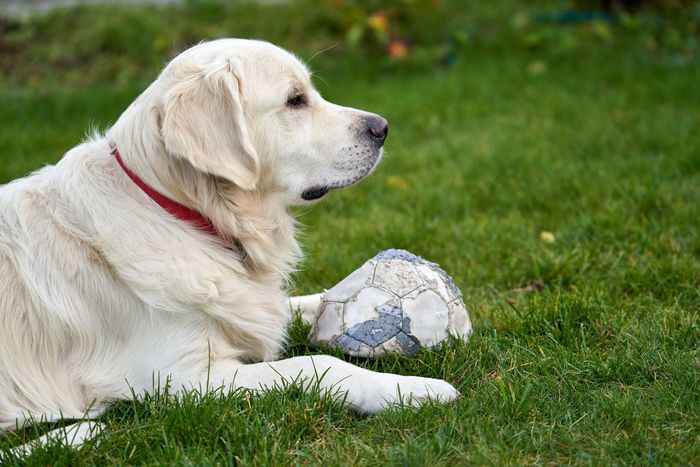
OCD is a joint condition where cartilage doesn’t develop normally, often because fast‑growing puppies outpace their blood supply. This leads to weak, unhealthy cartilage that may crack or detach, causing pain, inflammation and early osteoarthritis. All dogs diagnosed with OCD will go on to develop arthritis in the affected joint.
〇 Causes:
- OCD is primarily genetic, with breeds such as Labradors, Border Collies, Great Danes, Newfoundlands, Bernese Mountain Dogs, English Setters, Old English Sheepdogs, Irish Wolfhounds, Golden Retrievers, German Shepherds and Rottweilers being most at risk.
- It can also be triggered by over‑exercise, slippery floors, excessive ball chasing, poor diet, or injury during growth.
〇 Common Signs:
Symptoms vary by joint but often include:
- Lameness
- Stiffness or difficulty getting up
- Uneven weight distribution
- Joint swelling
- Reluctance to walk or exercise
- Low mood
- Nail dragging
- Muscle wastage
OCD is usually diagnosed before 1 year old, though shoulder OCD can appear later.
〇 How Massage Helps:
Clinical canine massage supports dogs with OCD by:
- Maintaining muscle tone when movement is limited
- Improving flexibility and reducing stiffness
- Easing pain through endorphin release
- Supporting healthy joint movement with gentle PROM at the right stage
- Improving circulation and lymph flow to reduce inflammation
- Preventing muscle wastage in underused limbs
- Enhancing body awareness and balance
- Reducing stress and promoting relaxation
〇 Contraindications
- Massage should not be used on open or weeping wounds or immediately after surgery until healing has begun.